Rehab in Kalamazoo, MI

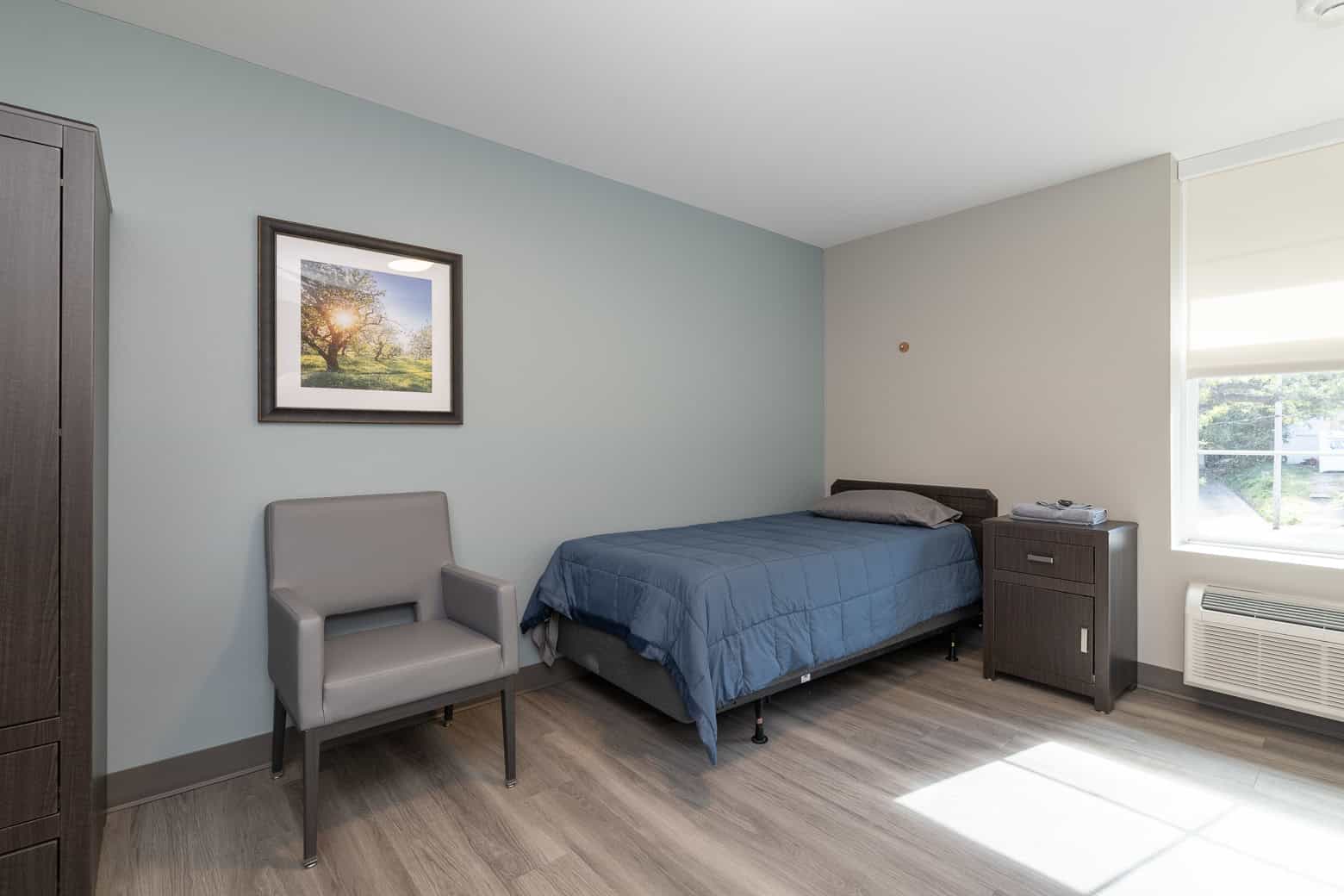
Private bedroom at our rehab in Kalamazoo, MI.

Early recovery requires focus, stability, and professional guidance during its most vulnerable stage. Rehab in Kalamazoo offers a structured setting where detoxification and residential programming work together to establish a strong clinical foundation. Enlightened Recovery provides a safe environment designed to address substance dependence alongside co-occurring mental health concerns. Comprehensive services help each client build stability while restoring direction and purpose.

Addiction Trends in Southwest Michigan

Southwest Michigan remains a vibrant region known for its universities, local businesses, and outdoor recreation. Despite these strengths, substance misuse continues to affect families across the area. Opioid use, alcohol misuse, and stimulant dependence have contributed to rising health concerns in recent years. Accessible inpatient services remain essential for long-term community wellness.

According to recent public health data, drug-induced mortality and opioid-related deaths continue to affect communities across Michigan at concerning levels. Statewide overdose trends reflect ongoing challenges tied to opioids, alcohol misuse, and stimulant use. The CDC publishes updated figures through its Provisional Drug Overdose Death Counts, which track overdose patterns across the country. These findings reinforce the need for structured inpatient programming that addresses both medical stabilization and behavioral health intervention.

Levels of Care Overview

Rehab in Kalamazoo includes inpatient services developed to guide clients through the earliest stages of recovery. Programming begins with a detox program and transitions directly into a residential treatment program for continued stabilization. Coordinated oversight ensures continuity without disruption between phases. A consistent clinical team monitors progress and adjusts plans based on documented outcomes.

Detoxification allows the body to stabilize under medical supervision while minimizing withdrawal risks. Residential programming then builds upon that stability through therapeutic engagement and skill development. This two-phase model creates a seamless progression rather than a fragmented experience. Structured daily schedules reduce uncertainty and reinforce accountability from the outset.

Detox Program

The detox program provides medical supervision during withdrawal from alcohol, opioids, stimulants, and other substances. Clinical staff evaluate physical health, psychiatric history, and substance patterns before initiating stabilization protocols. Medication management and symptom monitoring reduce medical risk and promote physical safety. Clients receive round-the-clock observation during this critical phase.

Withdrawal experiences vary depending on substance type, duration of use, and co-occurring conditions. Common symptoms may include fatigue, anxiety, sleep disruption, and nausea. Severe reactions such as seizures or hallucinations require immediate intervention and careful monitoring. Detoxification prepares clients to transition into structured residential programming with improved clarity.

Residential Treatment Program

A residential treatment program offers an immersive therapeutic setting following detoxification. Clients reside on-site and participate in daily clinical sessions that address behavioral patterns and emotional regulation. Licensed therapists integrate evidence-based approaches such as Cognitive-Behavioral Therapy (CBT) and trauma-informed counseling. Peer engagement and structured activities reinforce accountability and connection.

Dual diagnosis services operate within the residential framework to address mental health conditions alongside substance use. Psychiatric evaluation and medication oversight occur when clinically appropriate. Integrated planning reduces fragmentation and improves long-term stability. Residential care emphasizes responsibility, coping skills, and sustainable relapse prevention strategies.

What We Treat

An addiction treatment center in Kalamazoo must address a wide range of substance-related conditions. Clients arrive with unique histories involving alcohol, prescription medications, opioids, and stimulants. Comprehensive evaluation ensures programs align with both physical and psychological needs. Integrated services promote recovery while addressing underlying contributors to misuse.

Substance dependence rarely exists in isolation from mental health challenges. Anxiety disorders, depressive symptoms, and trauma histories often complicate recovery efforts. Addressing both conditions simultaneously strengthens outcomes and reduces relapse risk. Coordinated services provide continuity rather than separating psychiatric and addiction-focused interventions.
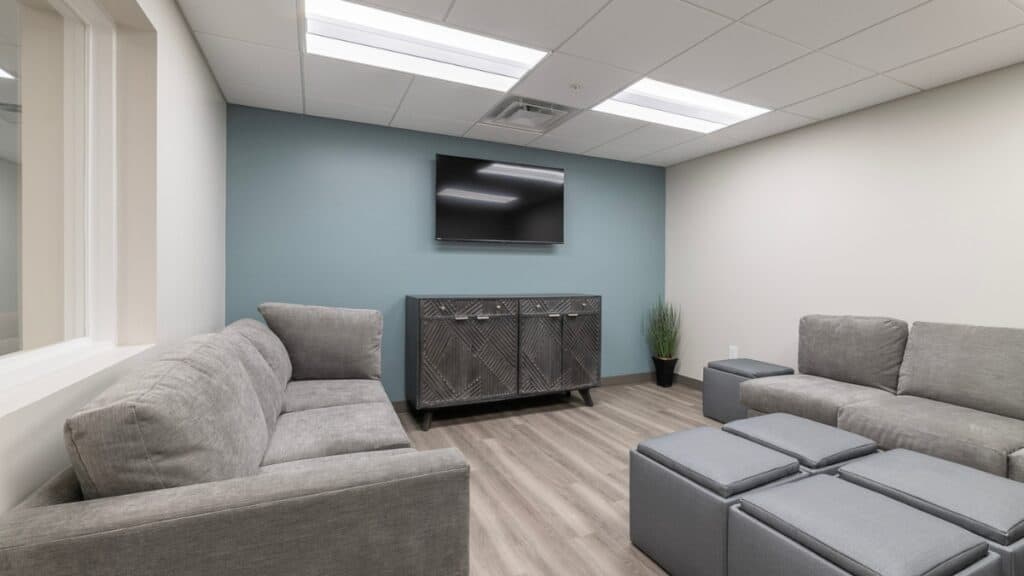
Conference meeting room at our rehab in kalamazoo, MI.

Substance Use Disorders (SUDs)

SUDs involve compulsive patterns that disrupt health, employment, and relationships. Opioids, alcohol, benzodiazepines, stimulants, and synthetic drugs frequently require inpatient stabilization. Clinical assessment evaluates frequency of use, medical history, and prior attempts at recovery. The structured residential program targets both physiological dependence and behavioral reinforcement.

Therapeutic engagement focuses on identifying triggers and restructuring harmful thought patterns. Clients learn to recognize high-risk scenarios and practice adaptive responses. Emotional regulation techniques reduce impulsive reactions that contribute to recurrence. Continued evaluation tracks measurable progress throughout participation.

Alcohol Use Disorder (AUD)

Alcohol misuse remains one of the most common concerns encountered in inpatient settings. Social acceptance often masks the severity of physical and psychological consequences. Detoxification from alcohol requires careful monitoring due to potential medical complications. Residential therapy then addresses emotional drivers and relapse triggers.

AUD frequently intersects with anxiety or depressive symptoms. Integrated psychiatric oversight supports emotional stabilization during early sobriety. Behavioral therapy promotes accountability while reinforcing healthier coping strategies. Comprehensive programming improves the likelihood of sustained abstinence.
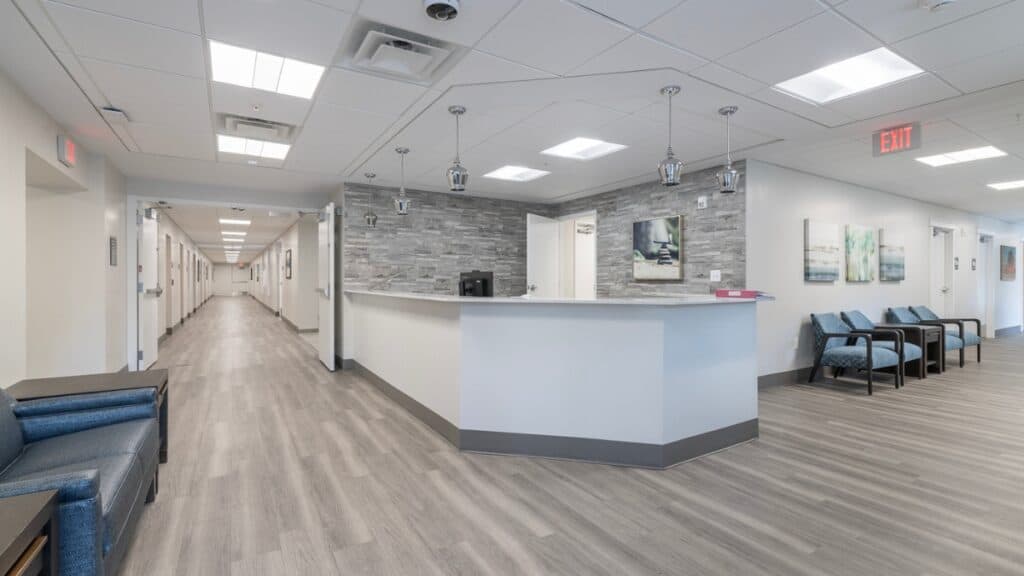
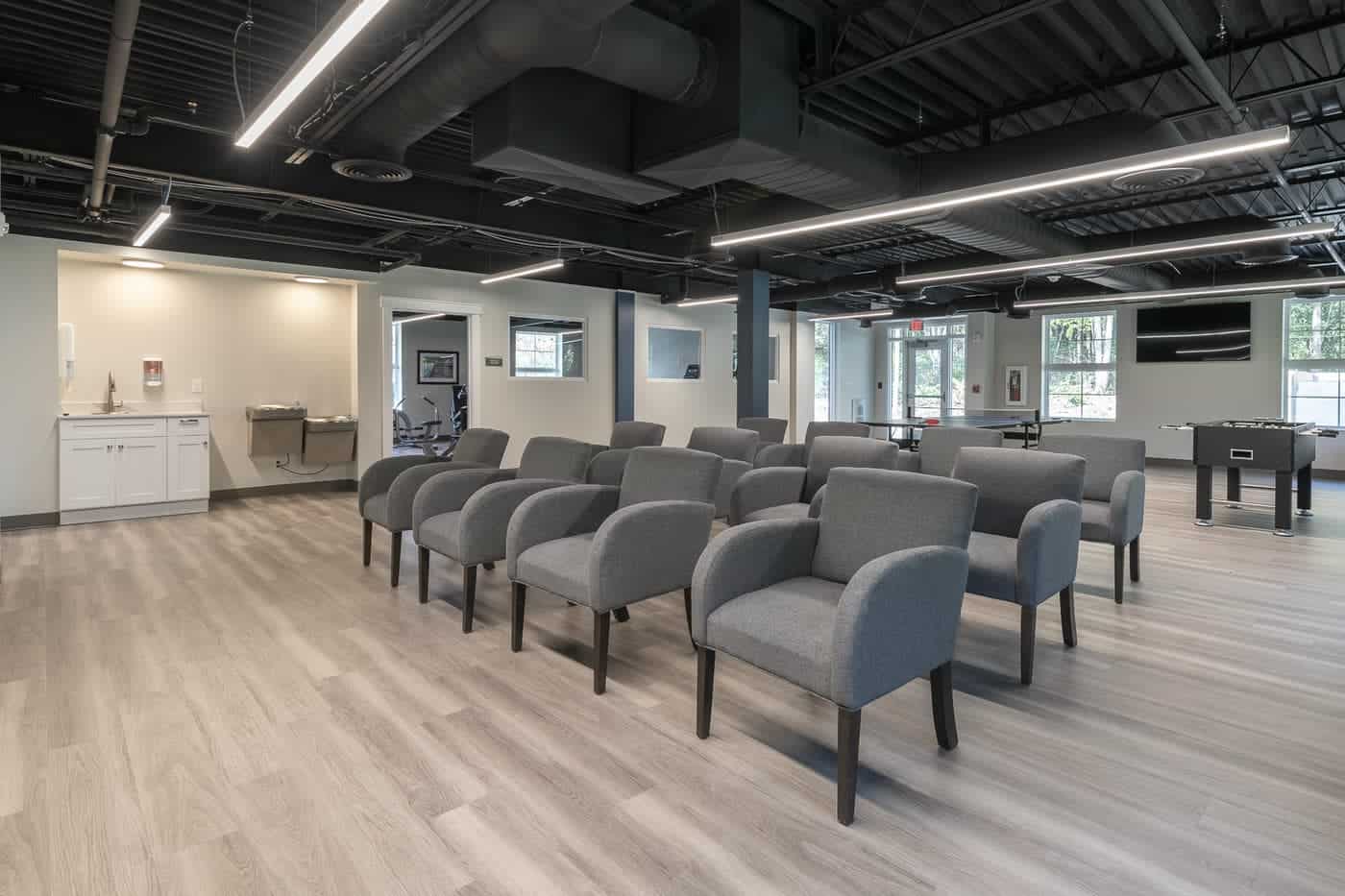
Activities room at our rehab in kalamazoo, MI.

Dual Diagnosis

Dual diagnosis refers to the presence of both substance dependence and a mental health condition. Co-occurring disorders interact in ways that intensify symptoms and complicate recovery. Psychiatric assessment identifies underlying conditions that require concurrent intervention. Coordinated planning ensures both concerns receive equal attention.

An addiction treatment center in Kalamazoo must integrate psychiatric services rather than treat conditions separately. Combined therapy, medication oversight, and skill-building sessions reduce fragmentation. Holistic approaches address emotional health while reinforcing sobriety strategies. Integrated care improves long-term functional outcomes.


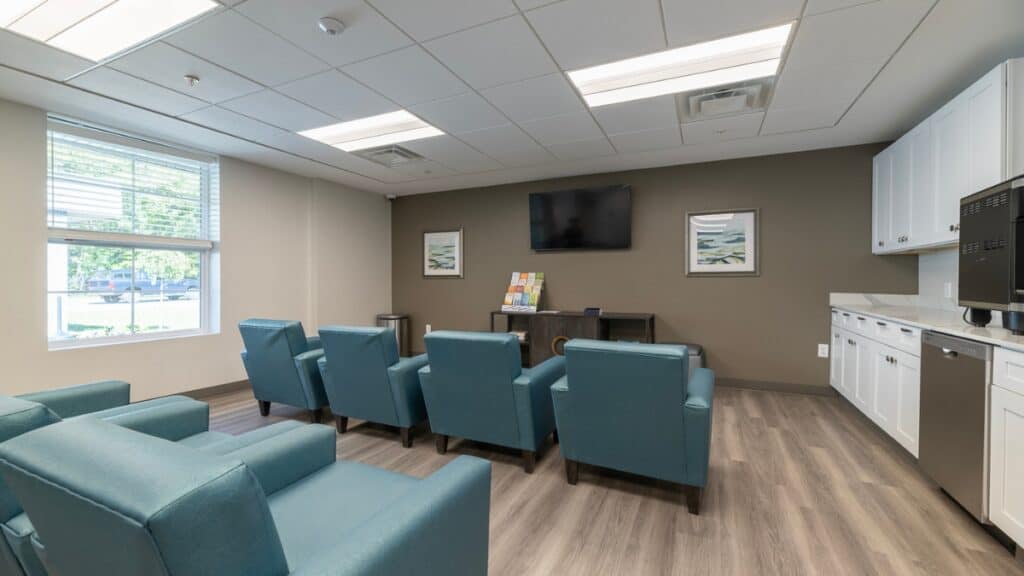
detox center at our rehab in kalamazoo.

Why Integrated Dual Diagnosis Matters

SAMHSA emphasizes treating co-occurring disorders simultaneously. Research demonstrates that addressing both conditions improves stability and reduces recurrence rates. Fragmented approaches often leave underlying drivers unresolved. Integrated services create a more comprehensive pathway forward.

Psychiatric symptoms frequently influence relapse vulnerability during early sobriety. Anxiety, trauma responses, and mood instability can undermine progress without proper intervention. Collaborative clinical planning ensures medication management aligns with therapeutic goals. Unified services promote measurable improvement across multiple domains of functioning.

Benefits of Rehab

Rehab in Kalamazoo offers continuity between detoxification and residential programming within one coordinated environment. Participants avoid disruptions that can occur when transferring between separate providers. Consistent staffing fosters familiarity and strengthens therapeutic rapport. Predictable schedules encourage accountability while reducing environmental stressors.

Residential programming allows residents to focus entirely on recovery without outside distractions. Daily clinical sessions promote insight into behavioral patterns and emotional triggers. Experiential activities and wellness practices build resilience and strengthen coping capacity. Comprehensive services create stability that supports lasting progress.

Integrated dual diagnosis services
Reduced risk of relapse
Medically supervised withdrawal management
Peer connection and community engagement
Strengthened personal accountability
Improved physical and emotional well-being
Rebuilding family and social relationships
Developing healthy relationship skills
Understanding addiction and relapse triggers
Practical coping strategies for daily stress
Structured programming with measurable progress

Inpatient programming provides measurable advantages compared to attempting recovery without professional guidance. Coordinated detoxification and residential engagement deliver medical oversight, therapeutic consistency, and ongoing accountability during early sobriety. Time away from daily triggers allows full concentration on stabilization and skill development. A seamless progression between phases reinforces long-term stability and strengthens functional outcomes.

Why Families Choose Our Facility

Our program reflects a commitment to addressing addiction within the broader Southwest Michigan community. Families from surrounding counties seek inpatient services that combine medical oversight with therapeutic depth. Accessible location and coordinated programming reduce barriers to entry. Regional engagement strengthens community health outcomes.

Clinical integrity guides every aspect of programming at this facility. Licensed professionals conduct regular case reviews and adjust plans according to documented progress. Clear communication ensures expectations remain consistent across all phases. Ethical standards remain central to service delivery.

Get Help at Rehab in Kalamazoo

Rehab in Kalamazoo offers a structured and clinically grounded approach for those facing substance dependence and co-occurring mental health concerns. Medical oversight during detoxification and immersive residential programming improves safety while reinforcing accountability and emotional stability. Enlightened Recovery’s experienced team guides each phase with clarity and professionalism. Contact the admissions team today for confidential guidance and learn how structured inpatient services can support lasting recovery.