Visit our online store Shop for a cause
/
Blog

Blog

Will the VA Pay for Rehab?

Veterans struggling with addiction may wonder will the VA pay for rehab. The Department of Veterans Affairs (VA) will help cover the cost of treatment. Fortunately, VA insurance does provide coverage for a range of rehab services. These include care for substance abuse, mental health disorders, and co-occurring conditions. Understanding how to use your VA benefits can help you or a loved one take the first step toward recovery.

Will the VA Pay for Drug Rehab?

Yes, the VA will pay for drug rehab for eligible veterans. This includes both inpatient and outpatient treatment programs. Services may involve detox, medication management, and counseling. The goal is to provide a full range of care to help veterans overcome addiction.

Many veterans receive treatment at VA medical centers or approved drug treatment centers. These facilities are staffed by professionals trained in addiction medicine. Coverage depends on eligibility, medical needs, and available services in your area. Veterans can speak with a VA representative to explore their options.

Will the VA Pay for Alcohol Rehab?

The VA also pays for alcohol rehab programs for qualified veterans. These programs often include supervised detox and therapy. Veterans may receive care through VA hospitals or alcohol rehab facilities. Outpatient programs are also available for those who qualify.

Treatment plans are tailored to each veteran’s needs. These may include group therapy, medication, and individual counseling. The VA focuses on long-term recovery and helping veterans regain control of their lives. Veterans can contact their local VA office to get started.

Will the VA Pay for Co-Occurring Disorder Treatment?

Yes, the VA will pay for rehab and mental health treatment for co-occurring disorders. These are conditions where a person has both a substance use disorder and a mental health disorder. Veterans often struggle with PTSD, depression, or anxiety, along with addiction. That is why integrated care is so important.

VA rehab treatment programs treat both conditions simultaneously for the best results. Services may include therapy, medication, and support groups. Veterans may receive care at VA hospitals or approved co-occurring treatment facilities. Early treatment can help prevent symptoms from getting worse.

How Do I Get Addiction Treatment Through My VA Insurance?

To use VA insurance for addiction treatment, veterans must first enroll in VA health care. This involves applying online, by phone, or in person. Once enrolled, veterans can meet with a primary care provider. This provider can assess their needs and refer them to addiction services.

Some veterans may qualify for the VA’s Community Care Program. This allows them to receive treatment at approved facilities outside the VA system. To qualify, veterans must meet specific criteria, such as long travel times or a lack of local services. The VA must authorize care before treatment begins.

What Rehab Facilities Can I Go to With VA Insurance?

Veterans can receive treatment at VA medical centers and certain addiction rehab facilities. Many VA hospitals offer addiction services on-site. These programs are led by professionals trained in both addiction and mental health care. Some veterans may also qualify for treatment at community-based outpatient clinics.

Veterans may be referred to a private facility if a local VA facility does not offer the needed care. These are part of the VA’s Community Care Network. Veterans must receive approval before attending a private rehab with VA coverage. This ensures the facility meets VA standards and treatment is fully covered.

What Types of Rehab Treatments Does VA Insurance Cover?

VA insurance covers several effective rehab treatments to help veterans recover from substance use and mental health disorders. These services are tailored to meet each veteran’s unique needs and recovery goals and include: 

  • Inpatient Rehab: Inpatient treatment provides 24-hour care in a structured environment. It is ideal for veterans who need intensive support during early recovery.
  • Outpatient Programs: Outpatient rehab allows veterans to attend therapy sessions while living at home. These programs offer flexibility for those with work or family responsibilities.
  • Medically Supervised Detox: Detox programs help veterans safely manage withdrawal symptoms. Medical staff monitor vital signs and provide medications as needed.
  • Medication-Assisted Treatment (MAT): MAT uses medications like Suboxone, methadone, or Vivitrol to reduce cravings and prevent relapse. It is often combined with counseling and therapy.
  • Individual Therapy: One-on-one counseling helps veterans explore the root causes of addiction. It also provides coping strategies for stress, trauma, and triggers.
  • Group Therapy:  Group sessions offer peer support and shared experiences. Veterans can build connections and learn from others in recovery.
  • Cognitive Behavioral Therapy (CBT): CBT helps veterans identify and change harmful thought patterns. It is effective in treating both addiction and mental health conditions.
  • Trauma-Focused Therapy: This therapy addresses trauma-related issues like PTSD. It helps veterans heal emotional wounds that often contribute to substance use.
  • Dual Diagnosis Treatment: Dual diagnosis care treats both addiction and co-occurring mental health disorders. This integrated approach supports long-term recovery.
  • Aftercare Planning and Support: Aftercare services include follow-up appointments, relapse prevention, and support groups. They help veterans maintain progress after completing treatment.

VA rehab treatment programs focus on whole-person care, including physical, mental, and emotional health. This approach provides comprehensive care tailored to one’s specific needs. 

Is There a Cap on Treatment Program Duration with VA Insurance?

There is no strict time limit for addiction treatment through the VA. Instead, the VA will pay for rehab based on clinical need. Veterans can receive ongoing care for as long as it is medically necessary. Treatment may last a few months or be extended longer.

Some veterans benefit from long-term outpatient support, while others may need multiple levels of care over time. The VA continuously evaluates progress and adjusts treatment plans as needed, a flexible approach that helps veterans achieve lasting recovery.

Start Your Recovery Journey Today

If you or a loved one is a veteran struggling with addiction, help is available now. Enlightened Recovery in New Jersey is an approved VA rehab center. We offer specialized programs for veterans. These include drug rehab, alcohol treatment, and dual diagnosis care. Our trained professionals provide personalized support in a safe, welcoming environment.

Our admissions team can verify your VA benefits and guide you through the process. There is no need to wait or suffer in silence. Call us today to begin the journey toward a healthier, sober future. Your path to recovery can start right now.


Is Methocarbamol Addictive?

Methocarbamol is a commonly prescribed muscle relaxant. Doctors often recommend it to relieve pain caused by muscle spasms or injuries. While it’s considered safer than many other medications, questions still arise about its potential for misuse. So, is methocarbamol addictive? This guide explores how it works, the risks, and what to do if you or a loved one is struggling.

What Is Methocarbamol Prescribed For?

Methocarbamol is a central nervous system depressant. Doctors prescribe it to relieve muscle pain and discomfort. It’s usually part of a treatment plan that includes rest and physical therapy. It’s available under the brand name Robaxin.

This medication is not classified as a controlled substance. That means the U.S. Drug Enforcement Administration does not consider it a high risk for abuse. However, misuse can still happen, especially when taken in large doses or combined with other drugs.

What Does Methocarbamol Do in the Brain?

Methocarbamol works by slowing activity in the central nervous system. It does not act directly on the muscles. Instead, it reduces nerve signals that cause muscles to spasm. The calming effect may create a feeling of relaxation or mild euphoria. This sensation can lead some individuals to misuse the drug in hopes of intensifying these effects. Continuing to misuse methocarbamol due to these effects could lead to prescription drug addiction.

Is Methocarbamol Addictive?

Methocarbamol is not considered physically addictive. However, psychological dependence is still possible with long-term or high-dose use. Some users may start relying on methocarbamol to manage daily stress or anxiety. This kind of dependence can lead to cravings and compulsive use, which are signs of addiction.

How Is Methocarbamol Misused and Abused?

People may misuse methocarbamol by taking higher doses than prescribed. Others might use it without a prescription or mix it with alcohol or other depressants. This kind of misuse often aims to boost the sedative effects. When mixed with substances like alcohol, the risks of addiction and accidental overdose increase significantly, leading to dangerous consequences.

Additionally, some people crush the tablets and snort the powder for a faster effect. This method increases the risk of harmful side effects. Others mix the powder with liquids or other drugs to inject or ingest it differently. This raises the chances of serious complications. These methods aim to enhance the sedative and euphoric effects. However, they also increase the danger of overdose and addiction.

Signs of Methocarbamol Misuse and Abuse

Recognizing misuse early helps prevent further harm. Here are common warning signs:

  • Taking larger doses than prescribed
  • Using it more frequently than directed
  • Seeking multiple prescriptions from different doctors
  • Combining it with alcohol or other drugs
  • Mood swings or irritability
  • Trouble with memory or concentration
  • Changes in sleep patterns

If you notice any of these behaviors, it may be time to seek help.

How Common Is Methocarbamol Misuse and Abuse?

Methocarbamol misuse is less common than opioids or benzodiazepines. Still, it does happen, especially in people with a history of substance or prescription drug abuse. It’s more likely to be misused when combined with other drugs. Since it’s not a controlled substance, tracking abuse rates is more difficult.

Methocarbamol Side Effects of Misuse and Abuse

Methocarbamol side effects can occur as a result of misusing the drug or taking larger doses than prescribed. Common side effects could include:

  • Drowsiness
  • Dizziness
  • Low blood pressure
  • Nausea
  • Blurred vision
  • Slowed breathing

In high doses, these effects become more dangerous. They can interfere with your ability to drive, work, or even stay awake. Long-term abuse can impact both mental and physical health. It may also increase the risk of falls or accidents.

Can Overdose Occur with Methocarbamol?

Yes, methocarbamol overdose can occur. Symptoms include:

  • Severe drowsiness
  • Vomiting
  • Slow heart rate
  • Loss of coordination
  • Fainting
  • Coma

If you suspect an overdose, call 911 immediately. Prompt medical care can save a life. Overdoses are more common when methocarbamol is mixed with other central nervous system depressants like alcohol or opioids.

Methocarbamol Withdrawal Signs and Symptoms

Though it’s not physically addictive, withdrawal symptoms can still appear after long-term use. These may include:

  • Anxiety
  • Insomnia
  • Muscle aches
  • Mood changes
  • Fatigue

These symptoms often arise from the body adjusting to the lack of the drug. The emotional distress can make quitting difficult without help.

Methocarbamol Detox Timeline

Withdrawal symptoms usually start within 24 to 48 hours of the last dose. Symptoms often vary depending on the length of use and dosage.

  • Days 1 to 2: Anxiety and restlessness usually begin. People often feel tense and irritable. Sleep problems may also appear.
  • Days 3 to 5: Symptoms usually peak during this time. Muscle aches, fatigue, and insomnia tend to worsen, and emotional symptoms like mood swings increase.
  • Day 6 to 7: Physical symptoms begin to ease. However, psychological symptoms such as anxiety or depression may still linger.
  • Week 2 and Beyond: Emotional symptoms often continue. Some people may experience cravings and sleep issues. Support and therapy are essential during this stage.

A supervised detox program can help manage symptoms and increase the chance of long-term recovery.

Treatment Options for Methocarbamol Addiction

Treating methocarbamol addiction involves evidence-based and holistic therapies, along with medical support. Here are common treatment steps:

  • Detox supervision: Medical teams monitor symptoms and provide comfort care.
  • Individual therapy: One-on-one therapy helps individuals uncover the underlying causes of their addiction. 
  • CBT: Cognitive-behavioral therapy (CBT) helps change thought patterns that lead to misuse.
  • Group therapy: Support from peers in recovery reduces feelings of isolation.
  • Medication support: Doctors may use medications to manage symptoms or co-occurring disorders.
  • Aftercare planning: Ongoing support helps prevent relapse.

Recovery is possible with comprehensive care and support tailored to each individual’s needs. Starting treatment sooner leads to better results.

Is Methocarbamol Addictive? Get Help for Methocarbamol Addiction Today

If you or someone you love is struggling with prescription drug abuse and are questioning is methocarbamol addictive, don’t wait. Enlightened Recovery offers compassionate, expert care. We provide personalized treatment plans, detox supervision, and therapy tailored to your needs at our New Jersey treatment centers. Our team helps you every step of the way. Take the first step toward recovery. Contact us today to speak with an addiction specialist who truly cares.

Why You Should Never Mix Muscle Relaxers and Alcohol

Mixing muscle relaxers and alcohol is dangerous and can lead to severe health risks. Understanding the dangers helps prevent harmful consequences and addiction. Many people assume they are safe because both substances are legal. However, combining them increases the risk of overdose, impaired judgment, and life-threatening side effects.

What Are Muscle Relaxers?

Muscle relaxers are prescription medications that relieve muscle spasms, pain, and stiffness. Doctors often prescribe them for injuries, chronic conditions, or after surgery. They affect the nervous system, reduce muscle tension, and promote relaxation. While effective, they should only be used as directed to avoid dangerous side effects and prescription drug addiction.

Types of Muscle Relaxers

There are two main types of muscle relaxers: antispasmodics and antispastics. Antispasmodics treat acute muscle pain and spasms caused by injuries or conditions like lower back pain. Common antispasmodics include cyclobenzaprine, methocarbamol, and carisoprodol. 

Antispastics include baclofen, dantrolene, and tizanidine. They help manage neurological conditions like multiple sclerosis and cerebral palsy by targeting muscle tightness and involuntary movements.

Can You Drink on Muscle Relaxers?

Drinking alcohol while taking muscle relaxers is unsafe and can cause severe side effects. Both substances depress the central nervous system, leading to dizziness, drowsiness, and impaired coordination. This combination also increases the risk of respiratory depression, which can be life-threatening. To avoid these dangers, individuals should never consume alcohol while using muscle relaxers.

Why Do People Abuse Alcohol and Muscle Relaxers?

Some people misuse alcohol and muscle relaxers to enhance relaxation or the sedative effects. Others use them recreationally to experience euphoria, unaware of the serious dangers involved. Alcohol addiction often develops when individuals build a tolerance and require higher doses to achieve the same effect. This can lead to experimenting with muscle relaxers and other substances to achieve the desired results. Over time, dependence on multiple substances can lead to severe health complications and an increased risk of overdose.

Effects of Muscle Relaxers and Alcohol

Combining alcohol and muscle relaxers slows brain activity, causing drowsiness, dizziness, and confusion. They also impair motor skills and judgment, increasing the risk of falls and accidents. Combining methocarbamol and alcohol or other muscle relaxers can make simple tasks like driving or walking extremely dangerous. Long-term use may result in memory problems, liver damage, and weakened muscles.

Dangers of Mixing Alcohol With Muscle Relaxers

Mixing alcohol and muscle relaxers intensifies their effects, leading to extreme drowsiness, slowed breathing, and potential coma. The risk of overdose significantly increases when using both substances. This dangerous mix can also affect heart rate and blood pressure, leading to life-threatening complications. In severe cases, it can result in unconsciousness and death.

Signs of Alcohol and Muscle Relaxers Abuse

Warning signs include:

  • Frequent drowsiness
  • Slurred speech
  • Mood swings
  • Struggling to concentrate
  • Neglecting responsibilities
  • Engaging in risky behavior
  • Secretive behavior
  • Social withdrawal
  • Increased tolerance

Recognizing these signs can help prevent severe health issues and encourage people to seek professional help.

Signs of Muscle Relaxers and Alcohol Addiction

Polysubstance addiction signs include cravings, withdrawal symptoms, and increased tolerance. Individuals may prioritize substance use over work, relationships, and personal well-being. They may also experience financial problems or legal issues due to substance abuse. Seeking professional help is crucial for breaking the cycle of addiction.

Can You Overdose on Muscle Relaxers and Alcohol?

Yes, overdosing on alcohol and muscle relaxers can be fatal. Symptoms include slow breathing, unconsciousness, and potential respiratory failure. Combining these substances increases the risk of overdose due to their sedative effects. If an overdose is suspected, seek emergency medical assistance immediately.

Muscle Relaxers and Alcohol Withdrawal Symptoms

Withdrawal from these substances causes anxiety, tremors, nausea, insomnia, and severe cravings. In extreme cases, withdrawal can lead to seizures and life-threatening complications. The severity of symptoms depends on the duration and intensity of substance use. Medical supervision is essential for a safe and effective detox process.

Dangers of Quitting “Cold Turkey”

Quitting suddenly can cause severe withdrawal symptoms, including seizures, hallucinations, and extreme agitation. The body struggles to adjust without the substances, leading to physical and psychological distress. Without medical supervision, withdrawal can become dangerous and even life-threatening. A structured detox program ensures safety and increases the chances of successful recovery.

Treatment for Alcohol and Muscle Relaxers Addiction

Effective treatment includes comprehensive care using evidence-based and holistic therapeutic modalities. Professional rehabilitation centers provide personalized care for long-term recovery and relapse prevention. Treatment programs focus on addressing both physical dependence and underlying emotional triggers with individual and group therapy. Ongoing support is crucial for maintaining sobriety and preventing relapse.

  • Detox: The first step in treatment that helps individuals safely withdraw under medical supervision. It manages withdrawal symptoms and prevents complications.
  • Residential Rehab: Inpatient treatment provides 24/7 medical and emotional support. It is ideal for individuals with severe addiction, co-occurring disorders, or a history of relapse.
  • Partial Care Programs (PCP): PCPs offer intensive therapy during the day while allowing individuals to return home at night. It is a step down from residential rehab.
  • Intensive Outpatient Programs (IOP): IOPs provide structured therapy several times weekly. It is suitable for individuals who need support but have work or family commitments.
  • Outpatient Programs (OP): OPs offer flexibility with weekly therapy sessions. It works best for individuals with mild addiction or those transitioning from higher levels of care.

Alcohol and Muscle Relaxers Withdrawal Timeline

Withdrawal symptoms vary based on the severity of addiction. Most individuals experience symptoms in three stages.

  • Stage 1 (6-12 hours): Anxiety, insomnia, headaches, and nausea begin.
  • Stage 2 (24-72 hours): Increased heart rate, high blood pressure, confusion, and tremors appear. Severe cases may experience hallucinations or seizures.
  • Stage 3 (3-7 days): Symptoms gradually fade, but cravings and psychological effects persist. Ongoing support helps manage long-term recovery challenges.

Medication-Assisted Treatment for Alcohol and Muscle Relaxers Treatment

Medication-Assisted Treatment (MAT) helps individuals safely detox and maintain sobriety. FDA-approved medications reduce withdrawal symptoms and cravings.

  • Benzodiazepines help prevent seizures and manage anxiety during alcohol withdrawal.
  • Naltrexone blocks the pleasurable effects of alcohol, reducing cravings and preventing relapse.
  • Acamprosate helps restore brain balance, reducing post-withdrawal symptoms like irritability and restlessness.
  • Disulfiram creates unpleasant effects when alcohol is consumed, discouraging drinking.
  • Baclofen helps manage muscle relaxer withdrawal symptoms and reduces cravings.

MAT, combined with therapy and counseling, improves treatment success rates. A personalized approach increases the chances of long-term sobriety.

Start Muscle Relaxers and Alcohol Addiction Treatment Today

If you or a loved one struggles with muscle relaxers and alcohol addiction, help is available at Enlightened Recovery. Our New Jersey detox and addiction treatment center provides comprehensive care tailored to your needs. Contact us today to start the path to recovery and a substance-free, brighter future. 

How Does Alcohol Affect the Central Nervous System?

Alcohol consumption is typical in social settings, but its effects on the body—particularly the central nervous system (CNS)—are often underestimated. How does alcohol affect the central nervous system? 

Understanding its impact is crucial for recognizing both the immediate and long-term risks. From slowing brain function to causing nerve damage, alcohol’s influence extends beyond intoxication, affecting cognitive abilities, motor skills, and overall neurological health.

Alcohol as a Central Nervous System Depressant

Alcohol is classified as a CNS depressant, meaning it slows down brain activity and nerve communication. Once consumed, it rapidly enters the bloodstream, crosses the blood-brain barrier, and affects mood, cognition, and motor function, neurotransmitters. This leads to relaxation, reduced inhibition, and impaired coordination.

While occasional alcohol use may not cause lasting harm, chronic or excessive consumption can disrupt the CNS, leading to severe cognitive and neurological consequences.

Immediate Effects on the Brain and Nervous System

Even small amounts of alcohol can interfere with brain function. Some short-term effects include:

  • Neurotransmitter Disruption: Alcohol enhances gamma-aminobutyric acid (GABA), a neurotransmitter that slows brain activity, while suppressing glutamate, which stimulates the brain. This imbalance leads to sedation, poor coordination, and cognitive impairment.
  • Impaired Judgment & Coordination: Alcohol causes delayed reaction times, poor decision-making, and loss of motor control.
  • Slurred Speech: The brain’s reduced ability to control muscle movements results in difficulty speaking clearly.
  • Memory Lapses (Blackouts): High alcohol intake can disrupt memory formation, leading to temporary amnesia.
  • Loss of Balance: Alcohol interferes with the cerebellum, the part of the brain responsible for balance and movement.

How does alcohol affect the brain and central nervous system? Even moderate drinking can impair essential cognitive and motor functions, increasing the risk of accidents and long-term damage.

Long-Term Implications of Alcohol on the CNS

Repeated alcohol exposure can lead to permanent neurological damage, affecting mental and physical health. Long-term effects include:

Neuroadaptation and Dependence

How does alcohol affect the central nervous system? Over time, the brain adjusts to frequent alcohol use by altering neurotransmitter function.

  • Alcohol Dependence: The brain becomes reliant on alcohol, causing withdrawal symptoms like anxiety, tremors, and seizures when alcohol is not consumed.
  • Tolerance: The body requires more alcohol to achieve the same effects, increasing the risk of addiction.

Neurodegeneration & Brain Damage

Prolonged alcohol use leads to neuronal damage, particularly in areas controlling memory, emotion, and motor skills. This can manifest as:

  • Cognitive Decline: Chronic alcohol consumption has been linked to dementia and difficulty concentrating.
  • Mental Health Disorders: Alcohol-induced chemical imbalances contribute to depression, anxiety, and mood disorders.

Since alcohol and other drugs affect the brain nerve cells, prolonged substance use can accelerate neurodegeneration, making early intervention critical.

Effects on Nerve Cells and Neuropathy

Alcohol’s impact extends beyond the brain, affecting the peripheral nervous system (PNS)—the network of nerves outside the brain and spinal cord. This can lead to:

Peripheral Neuropathy

Nerve damage resulting in numbness, tingling, and muscle weakness, often in the hands and feet.

Wernicke-Korsakoff Syndrome

A severe disorder caused by vitamin B1 (thiamine) deficiency, leading to confusion, poor coordination, and irreversible memory loss.

Autonomic Nervous System Dysfunction

Disruptions affecting heart rate, digestion, and blood pressure regulation.

How does alcohol affect the brain and central nervous system in the long run? Chronic alcohol use contributes to nerve cell degeneration, impairing communication between the brain and body, which can lead to long-term neurological disorders.

Increased Risk of Stroke and Seizures

Alcohol abuse significantly raises the risk of:

  • Stroke: Excessive alcohol consumption contributes to high blood pressure and irregular heart rhythms, both of which increase stroke risk.
  • Seizures: Alcohol withdrawal can trigger life-threatening seizures, especially in individuals with alcohol dependence.

Without proper treatment, these risks can lead to permanent nervous system damage, making early intervention essential.

Alcohol’s Interaction With Other Substances

Alcohol’s effects become even more dangerous when combined with other substances. Mixing alcohol with prescription medications, illicit drugs, or even over-the-counter medications can have unpredictable and life-threatening consequences.

How Alcohol and Other Drugs Affect the Nerve Cells Within the Brain

When alcohol is mixed with other substances, it can amplify their effects on nerve cells, leading to increased cognitive impairment, sedation, or overdose.

Common Substance Interactions with Alcohol

  • Alcohol and Opioids: Both depress the CNS, slowing breathing and heart rate, which can lead to respiratory failure or death.
  • Alcohol and Benzodiazepines (e.g., Xanax, Valium): Combining these enhances sedation and drastically increases overdose risk.
  • Alcohol and Stimulants (e.g., Cocaine, Adderall): This combination masks alcohol’s depressant effects, leading to excessive drinking and alcohol poisoning.
  • Alcohol and Antidepressants: Alcohol can counteract the benefits of antidepressants while worsening symptoms of depression and anxiety.
  • Alcohol and Marijuana: Can cause severe dizziness, nausea, paranoia, and impaired judgment.

Because alcohol and other drugs affect the nerve cells within the brain, mixing it with substances increases the risk for neurological damage, overdose, and addiction. Seeking professional help is essential to prevent these complications.

Recognizing the Signs of CNS Impairment Due to Alcohol

Identifying CNS impairment early can help prevent long-term damage.

Short-Term Signs

  • Slurred Speech & Poor Coordination: Difficulty speaking and controlling movement.
  • Slow Reflexes & Reaction Time: Delayed responses increase accident risk.
  • Memory Blackouts: Inability to recall events due to alcohol-induced amnesia.

Long-Term Signs

  • Chronic Confusion & Impaired Thinking: Difficulty concentrating and making decisions.
  • Persistent Numbness & Tingling: Symptoms of peripheral nerve damage.
  • Tremors or Shaking Hands: A sign of nervous system impairment.
  • Severe Anxiety & Depression: Alcohol disrupts brain chemistry, worsening mental health conditions.

If you or someone you know is experiencing these symptoms, seeking professional treatment is crucial for preventing further CNS damage and supporting recovery.

Mitigating the Risks and Seeking Help

How does alcohol affect the central nervous system, and what steps can be taken to reduce its impact? Recognizing the risks of alcohol use is essential in making informed choices about consumption. If alcohol is affecting your health, seeking professional help can provide the necessary support for recovery.

Medical Detoxification

A medically supervised alcohol detox program helps individuals safely withdraw from alcohol while managing withdrawal symptoms.

Behavioral Therapy

Cognitive-behavioral therapy (CBT) and counseling help individuals identify and change harmful thought patterns that contribute to alcohol use.

Support Groups

Programs like Alcoholics Anonymous (AA) and other peer-led groups offer a supportive community for those in recovery. 

Seeking the right treatment can make all the difference—start your path to recovery today.

Concerned About How Does Alcohol Affect the Central Nervous System? Get Help Today

Excessive alcohol use can harm brain function, memory, and coordination. How does alcohol affect the central nervous system? It disrupts nerve signals, leading to cognitive decline and emotional instability.

At Enlightened Recovery, we offer personalized treatment, detox, and therapy to help you regain control. Contact us today to start your journey toward lasting recovery.

Borderline Personality Disorder vs Bipolar Disorder

Mental health conditions can be complex, and some disorders share overlapping symptoms, making them difficult to distinguish. Two conditions that are often confused are borderline personality disorder vs bipolar disorder. While both can cause emotional instability, mood swings, and impulsive behavior, they are fundamentally different in their causes, symptoms, and treatments.

If you or a loved one is struggling with mood instability, understanding the dissimilarity between bipolar and BPD is crucial for getting the right diagnosis and treatment.

What Is Borderline Personality Disorder (BPD)?

BPD is a mental health condition that primarily affects emotional regulation, self-identity, and interpersonal relationships. People with BPD experience intense emotions, rapid mood changes, and difficulties maintaining stable relationships.

Common Symptoms of BPD

  • Extreme fear of abandonment leads to frantic efforts to avoid being alone
  • Unstable relationships, often shifting between idealization and devaluation
  • Intense mood swings that last a few hours to a few days
  • Impulsive behaviors such as reckless spending, substance abuse, or self-harm
  • Chronic feelings of emptiness
  • Difficulty controlling anger, often resulting in explosive outbursts
  • Paranoia or dissociation, especially in times of stress

Because these symptoms often overlap with other mental health disorders, including bipolar disorder, a thorough assessment is necessary for accurate diagnosis. This is why understanding borderline personality disorder symptoms vs bipolar is essential.

What Is Bipolar Disorder?

Bipolar disorder is a mood disorder characterized by extreme shifts in mood, energy levels, and behavior. Unlike BPD, which is a personality disorder, the bipolar condition is classified as a brain-based mood disorder that primarily affects brain chemistry.

Types of Bipolar Disorder

There are 3 main types of bipolar disorder:

  • Bipolar I Disorder: Involves manic episodes lasting at least 7 days or severe enough to require hospitalization. Depressive episodes may also occur.
  • Bipolar II Disorder: Characterized by hypomanic episodes (less severe than full mania) alternating with major depressive episodes.
  • Cyclothymic Disorder (Cyclothymia): A milder form of bipolar disorder with periods of hypomania and depression lasting at least 2 years.

Common Symptoms of Bipolar Disorder

Manic or Hypomanic Episodes:

  • Increased energy, restlessness, or hyperactivity
  • Elevated mood or extreme irritability
  • Racing thoughts, rapid speech, or impulsivity
  • Decreased need for sleep
  • Risky behaviors such as excessive spending, substance abuse, or reckless driving

Depressive Episodes:

  • Persistent sadness, hopelessness, or lack of interest in activities
  • Fatigue or low-energy
  • Difficulty concentrating
  • Changes in appetite or sleep patterns
  • Suicidal thoughts or feelings of worthlessness

Because bipolar disorder involves distinct mood episodes, it differs from the ongoing emotional instability seen in BPD.

Portrait of a person suffering from symptoms of borderline personality disorder vs bipolar.

Difference Between Bipolar and BPD

Although both disorders involve mood instability, there are key differences in their causes, symptom patterns, and treatment approaches:

Type of Disorder:

  • BPD: Personality disorder
  • Bipolar: Mood disorder

Mood Swings:

  • BPD: Rapid, intense, and often triggered by an external event
  • Bipolar: Distinct mood episodes (mania, hypomania, depression)

Duration of Mood Shifts:

  • BPD: Hours to a few days
  • Bipolar: Weeks to months

Core Emotional Struggle:

  • BPD: Fear of abandonment, unstable self-image, and impulsive actions
  • Bipolar: Extreme highs (mania) and lows (depression) due to brain chemistry

Impulsivity:

  • BPD: Impulsive behaviors tied to emotional distress
  • Bipolar: Impulsive behaviors mostly during manic episodes

Sleep Patterns:

  • BPD: Typically disrupted by stress and emotional distress
  • Bipolar: Mania leads to decreased sleep; depression increases sleep need

Treatment Approach:

  • BPD: Therapy-focused (DBT, CBT) with occasional medication support
  • Bipolar: Medication-based (mood stabilizers, antipsychotics, antidepressants) plus therapy

By recognizing these distinctions, individuals can better navigate borderline personality disorder vs bipolar and seek the appropriate diagnosis and treatment.

How Do Doctors Differentiate BPD from Bipolar?

Diagnosing the difference between bipolar and BPD can be challenging because both involve mood instability. However, mental health professionals use comprehensive assessments to determine the correct diagnosis. These may include:

  • Clinical Interviews: Reviewing personal and medical history to identify symptom patterns
  • Mood Tracking: Evaluating how long and how often mood changes occur
  • Psychological Testing: Using standardized tools to assess emotional regulation and impulsivity
  • Medical Evaluation: Ruling out underlying conditions that may mimic symptoms

Since borderline personality disorder and bipolar involves different patterns of symptom onset, BPD is often diagnosed in young adulthood, while bipolar disorder tends to develop later in life. The timing of symptoms can be an important clue for diagnosis.

A woman dealing with bipolar disorder and addiction seeks professional help.

Borderline Personality Disorder vs Bipolar: Treatment Approaches

While both conditions require professional treatment, the strategies vary due to the difference between BPD and bipolar, requiring distinct therapeutic approaches.

Treatment for BPD

BPD is primarily treated with therapy, as medications are not the first-line treatment. The most effective therapies include:

  • Dialectical Behavior Therapy (DBT): Focuses on emotional regulation, distress tolerance, and interpersonal skills.
  • Cognitive-behavioral Therapy (CBT): Helps individuals recognize and change negative thought patterns
  • Mindfulness and Meditation: Supports emotional balance and self-awareness
  • Medication Management: Used selectively for co-occurring conditions like depression or anxiety

Treatment for Bipolar Disorder

Bipolar disorder treatment typically involves a combination of medication and therapy, including:

  • Mood Stabilizers: Lithium and anticonvulsants help regulate mood swings
  • Antipsychotic Medications: Used to manage severe manic or depressive symptoms
  • Psychotherapy: One-on-one counseling helps individuals develop coping strategies for mood episodes
  • Lifestyle Changes: Regular sleep patterns, exercise, and stress management support mood stability

Because the difference between BPD and bipolar lies in their root causes, treatment must be customized accordingly.

Frequently Asked Questions

Can you have both BPD and bipolar disorder?

Yes, some individuals are diagnosed with both conditions, which can complicate treatment. A dual diagnosis requires a comprehensive approach that addresses both emotional regulation (BPD) and mood stabilization (bipolar).

Is BPD or bipolar disorder more common?

Bipolar disorder affects about 2.8% of the population, while BPD is estimated to affect 1.6%. However, BPD is often misdiagnosed, making it harder to track accurate numbers.

Can medication treat both BPD and bipolar disorder?

Medication is a primary treatment for bipolar disorder, including mood stabilizers and antipsychotics. In contrast, there is no FDA-approved medication for BPD, though some can help manage co-occurring symptoms like anxiety or depression. Understanding borderline personality disorder symptoms vs bipolar is essential, as treatment approaches differ for overlapping mood instability.

Do BPD and bipolar disorder get worse with age?

BPD symptoms often improve with age and treatment, especially with therapy like DBT. Bipolar disorder, however, is a lifelong condition that requires ongoing management, though treatment can help reduce the severity of mood episodes.

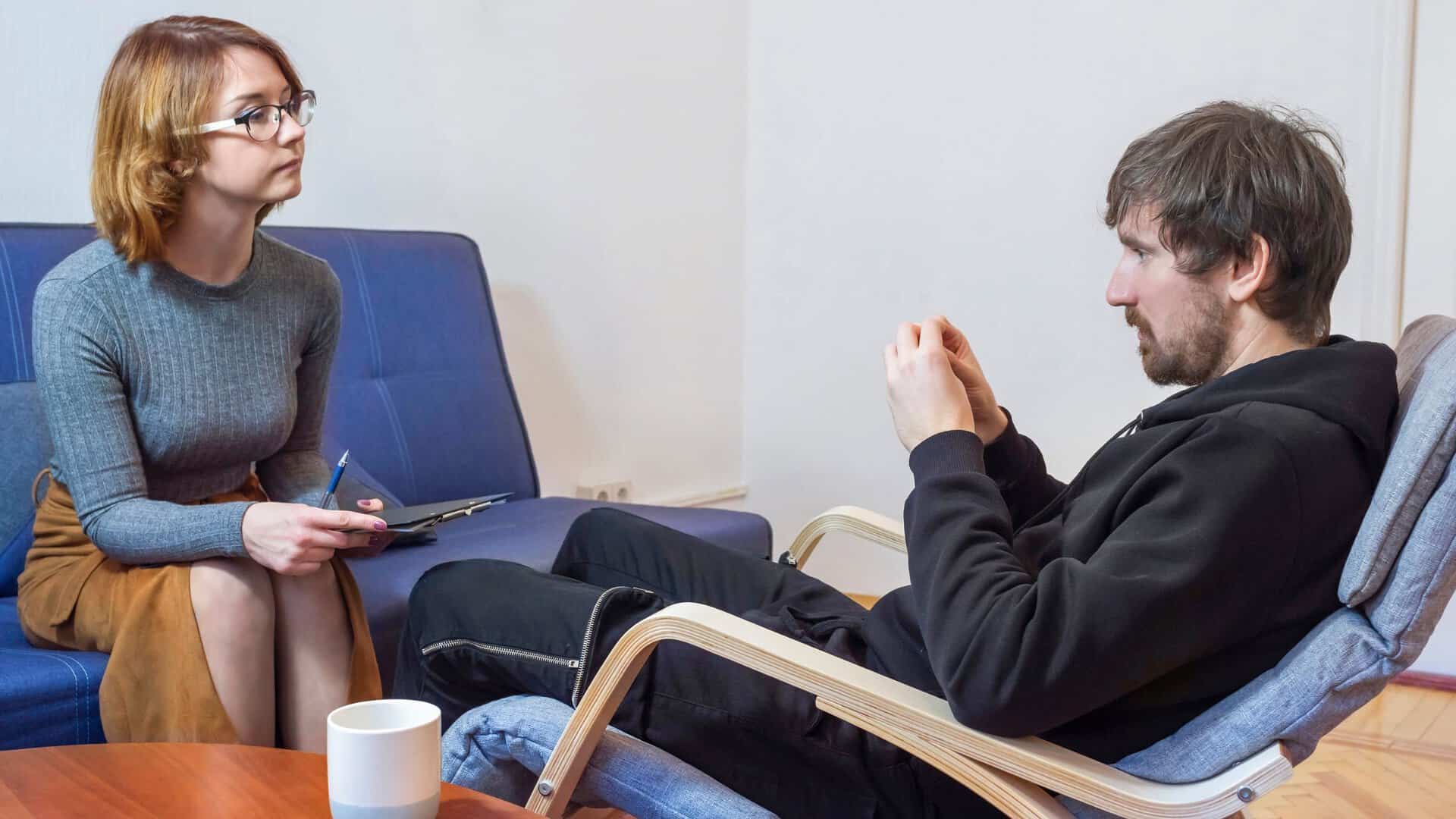
A man consults a professional to understand borderline personality disorder vs bipolar.

Get the Right Diagnosis: Borderline Personality Disorder vs Bipolar

If you or a loved one is struggling with mood swings, impulsivity, or emotional instability, getting the right diagnosis is the key. At Enlightened Recovery, we believe in compassionate, evidence-based care customized to each person’s needs. Whether you’re facing BPD, bipolar disorder, or uncertainty about your symptoms, our team is here to help.

Understanding diagnoses like borderline personality disorder vs bipolar is an important step toward healing. Reach out today to learn more and begin your journey to a healthier, more stable future.

Signs Your Liver is Healing During Addiction Recovery

The liver plays a crucial role in maintaining your overall health. As the body’s natural detoxifier, it processes toxins, metabolizes nutrients, and supports vital functions. However, prolonged alcohol use, substance misuse, or poor lifestyle habits can overwhelm the liver, leading to damage. If you’re in addiction recovery, it’s natural to wonder about the signs your liver is healing and how you can support this essential organ.

With early detection and lifestyle changes, “Can liver damage be reversed?” becomes a question of proactive management and care. At Enlightened Recovery, understanding the process of liver rehabilitation provides motivation and encouragement for those on their journey to sobriety. Here’s what you need to know about healing the liver during addiction recovery.

How the Liver Heals Itself

The liver is unique in its ability to repair itself. Unlike other organs, it has the remarkable capability to regenerate damaged tissue. When you quit drinking or eliminate other harmful substances, the liver begins its natural healing process.

But can liver injury be reversed? The answer depends on the severity of the damage. While mild to moderate liver damage can often heal with proper care, advanced stages like cirrhosis may require medical intervention to manage complications.

How long does it take for your liver to heal? For many, the healing process begins within weeks of making healthier choices.  This varies depending on the extent of damage, overall health, and commitment to recovery.

A sober woman discussing the signs your liver is healing with a professional.

Indications Your Liver Is Repairing

You might be asking yourself, “If I quit drinking will my liver heal?”—fortunately, the liver is one of the few organs capable of healing itself when given proper care. As your liver begins to heal during addiction recovery, you may notice several improvements in your health:

Increased Energy Levels

A damaged liver struggles to process toxins efficiently, often leading to chronic fatigue. One of the earliest signs your liver is healing is a noticeable boost in energy. This happens because your liver becomes better at metabolizing nutrients and supporting bodily functions, leaving you feeling more refreshed and active.

Improved Digestion

The liver plays a major role in breaking down fats and producing bile for digestion. During recovery, you may notice better digestion and less bloating or discomfort, indicating progress in liver regeneration. A healthy liver contributes to smoother digestion, allowing your body to absorb nutrients more effectively.

Brighter Skin

Liver damage can cause toxins to build up in the bloodstream, leading to dull, itchy, or jaundiced skin. As your liver heals, your skin may regain its natural glow and appear clearer, a positive indicator that your body is detoxifying efficiently.

Reduced Swelling and Inflammation

A damaged liver often leads to fluid retention, especially in the abdomen and legs. When your liver begins to recover, you may notice reduced swelling and less inflammation throughout your body. This process of liver recovery is a clear sign that your liver is regaining its ability to manage fluid balance.

Better Mental Clarity

Liver damage can sometimes cause confusion or difficulty concentrating. During recovery, improved liver function usually leads to sharper mental clarity and better focus, which can be incredibly empowering for individuals in addiction recovery.

When Can Liver Damage Be Reversed?

If I quit drinking will my liver heal? The liver’s regenerative capacity means that stopping alcohol consumption is a critical step toward healing. The timeline for, “How long does it take for your liver to heal?” varies. A medical evaluation is the best way to assess your liver’s condition and recovery potential.

Recovery times vary based on individual circumstances. For mild liver damage caused by occasional alcohol misuse, signs your liver is healing may occur within a few weeks of abstinence. However, for chronic alcohol use or advanced liver damage, the process can take months—or even years—of sustained sobriety and healthy living.

The timeline also depends on your overall health, nutrition, and the level of care you receive. At Enlightened Recovery, we emphasize the importance of holistic therapies, nutrition counseling, and wellness practices to promote liver healing.

A professional offers support to a client struggling with addiction.

Supporting Liver Repair

If you’re wondering, “If I quit drinking, will my liver heal?” the answer is yes—for most people, the liver can regenerate and improve significantly. Here are practical steps to support your liver as it heals:

  • Stay Hydrated: Drinking plenty of water helps flush toxins from your system and supports liver function. Aim for at least 8–10 glasses of water daily to keep your liver working efficiently.
  • Eat a Nutrient-Dense Diet: Incorporate foods rich in antioxidants, vitamins, and healthy fats to promote healing liver damage. Leafy greens, berries, nuts, and lean proteins can help regenerate liver tissue.
  • Avoid Processed Foods and Sugary Drinks: Processed foods and sugar put extra strain on your liver. Choosing whole, unprocessed foods gives your liver the nutrients it needs without added stress.
  • Exercise Regularly: Physical activity improves circulation and reduces inflammation, both of which support a healthy liver. Even light exercises like walking or yoga can make a difference.
  • Follow Medical Advice: If your liver damage is severe, work closely with your healthcare provider or addiction recovery team to ensure proper monitoring and treatment. Medication or additional therapies may be recommended.

Liver Healing with Holistic Therapies

At Enlightened Recovery, we integrate comprehensive therapies into our addiction treatment programs to promote overall well-being, including liver health. These therapies complement traditional medical care and help identify signs of liver recovery.

These personalized services ensure a well-rounded recovery experience.

A woman seeks nutritional counseling and learns about the signs your liver is healing.

Celebrate the Signs Your Liver Is Healing with Enlightened Recovery

Recovery from addiction and liver regeneration are possible. By quitting harmful substances and committing to a healthier lifestyle, you can begin to notice the signs your liver is healing. At our center, our programs guide you through every step, ensuring you feel supported and empowered.

Contact us today to learn more about our programs, including healing liver damage. Let us help you embrace the freedom of recovery and celebrate your progress toward a healthier, happier future.